


I usually decide whether a restaurant app deserves space on my phone by asking one practical question: does it make an ordinary meal easier, or does it merely put a logo on a digital menu? Firehouse Subs Rewards is useful when I already know I want Firehouse Subs and want the ordering and rewards steps in one place. It is a free Food & Drink app from Firehouse Subs, aimed at Everyone, and its strongest value comes from turning a repeat sandwich visit into a more organized routine.
My experience with it is best understood as a complete journey rather than a collection of buttons. I start with a craving, move through menu decisions, pass the order to the restaurant, and finish by checking whether the visit counted toward my rewards. That flow is straightforward when everything lines up. It is less appealing when I am comparing several restaurants, dealing with a complicated order, or trying to solve a problem that requires more than the app’s normal ordering path.
From deciding on lunch to placing the order
The starting point: a repeat visit, not open-ended restaurant discovery
This app makes the most sense for someone who already has Firehouse Subs in mind. If I am sitting at work trying to choose between unrelated restaurants, a general delivery service or a map app is usually a better starting point. Those alternatives are designed for discovery and comparison. Firehouse Subs Rewards is more focused: it helps me continue with one restaurant once I have made that choice.
That focus is a strength because it reduces distractions. I do not need to search through an enormous list of unrelated businesses before reaching the food I actually want. For a regular customer, the app can become a quick pre-visit tool: open it, review the available choices, make the order, and keep the rewards side connected to the same account experience.
It is also a useful distinction for families and office lunches. When everyone has already agreed on Firehouse Subs, I can use the app as the central place to gather the order instead of passing around screenshots or trying to remember each person’s modifications. The app is not a replacement for communication, but it can reduce the number of separate steps between “what do you want?” and “the order is ready to submit.”
Reading the menu with fewer last-minute surprises
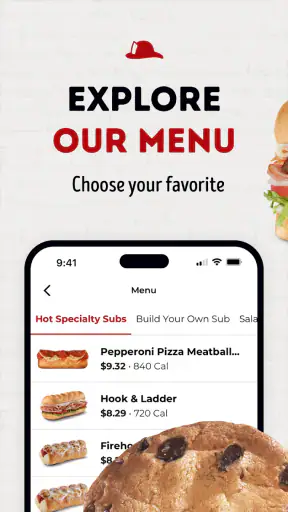
I prefer to look through the menu before I am hungry enough to rush. That gives me time to compare sandwiches, sides, drinks, and available choices without standing in a queue. The practical benefit is not just speed. Digital ordering gives me a chance to slow down and review the whole order before handing it over.
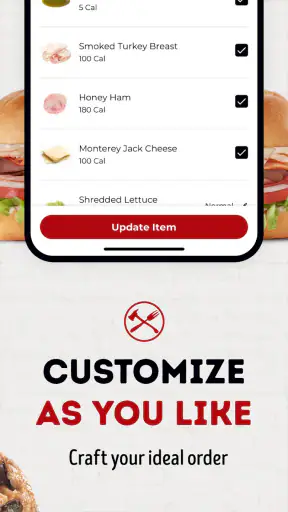
For a simple lunch, the process feels natural. I choose the main item, adjust the available selections, add anything else I need, and inspect the basket. For a more particular order, this review stage matters much more. I can check whether I selected the intended item and whether the requested additions or removals stayed attached to it. That is a small habit, but it prevents the common mistake of assuming a customization was saved when it was only viewed.
My advice is to treat the basket as a handoff document. Before submitting, I read it as if another person will prepare the meal without hearing my explanation. If the order is for several people, I mentally separate each meal and verify quantities one at a time. This is one of the more useful workflows in the app because it shifts the burden of accuracy to a moment when I can still correct it.
Rewards should be checked before the final tap
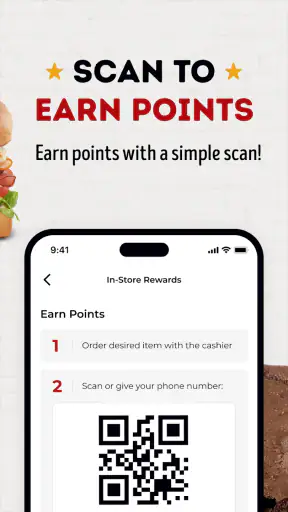
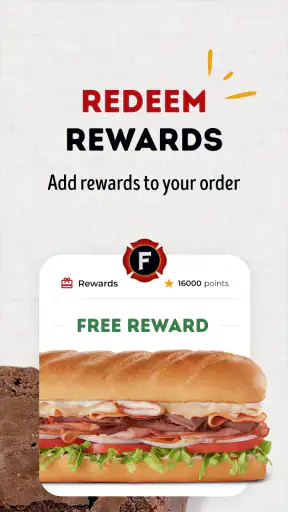
The rewards element is the reason many people will choose this app instead of ordering through a general restaurant platform. I would not wait until after eating to think about it. Before completing an order, I check that I am signed in to the account I intend to use and that the reward-related details appear consistent with the visit.
This matters particularly when I use more than one phone, switch between ordering methods, or place food for someone else. A reward account is only helpful if the visit is connected to the right identity. I make a habit of checking the account context before submitting, rather than assuming the app will automatically repair a mismatch later.
There is a trade-off here. A dedicated loyalty app can make repeat visits more rewarding and more organized, but it also creates another account relationship to maintain. Someone who visits Firehouse Subs only once in a long while may find that the extra sign-in and reward tracking are not worth the effort. For regular customers, the calculation is different because the same small checks become part of a familiar routine.
Choosing the right ordering moment
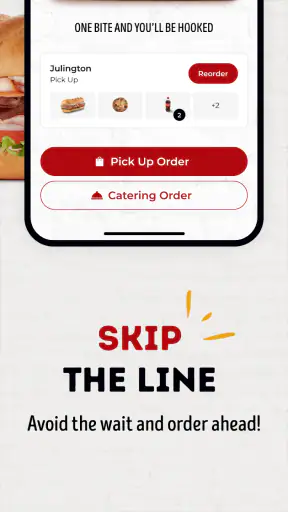
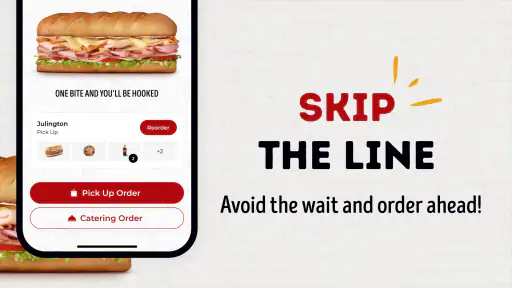
I find the app most convenient when I use it before leaving or while I am still several minutes away. That gives the restaurant time to receive the order and gives me time to notice any issue before I arrive. Using it while walking, driving, or standing in a crowded entrance is a poor workflow, not because the app is uniquely difficult, but because food customization deserves attention.
A realistic example is a weekday lunch. I open the app at my desk, decide on a sandwich, review the order for a colleague, and submit it before heading out. The important handoff is from my phone to the restaurant: once I place the order, the staff—not my screen—becomes responsible for turning those selections into a meal. I therefore avoid treating the confirmation screen as proof that every preparation detail will be perfect. It confirms that I sent the order; it does not replace a sensible final review at pickup.
What happens when another person takes over
The workflow often includes a second human handoff. I may place the order, but a coworker may collect it, or a family member may use my account on a shared device. That is where small misunderstandings appear. The person picking up the food needs the name or identifying details associated with the order, while I need to communicate any important context clearly.
For group orders, I recommend keeping a simple written note outside the app with each person’s name and item. I do not rely on memory when several sandwiches look similar. This is not a hidden feature; it is a practical way to compensate for the fact that a restaurant app is good at transmitting an order but not necessarily at managing the social logistics of a group meal.
The same principle applies when ordering for someone with dietary preferences. I use the available customization fields carefully, then tell the recipient what was selected. If the request is especially sensitive or complicated, I would rather speak directly with the restaurant than assume a normal menu option covers every concern. The app is convenient for ordinary choices, but convenience should not replace direct clarification when the stakes are higher.
Arriving, collecting, and checking the result
At pickup, I treat the order as complete only after a quick check. I look at the number of items and compare the labels or packaging with the order I submitted. This is especially valuable for office lunches, where the wrong sandwich can affect someone who is not present to correct it.
The result I want from the app is simple: less time spent ordering, a clearer record of what I requested, and a smoother connection between the visit and the rewards program. When those three pieces work together, the app feels more useful than a printed menu or a casual verbal order. I can make decisions at my own pace, submit them cleanly, and leave the restaurant interaction for collection rather than reconstruction.
That result is not guaranteed by the app alone. Restaurant workload, location-specific practices, and the accuracy of my own selections still matter. I see the application as a tool for reducing avoidable friction, not as a promise that every part of the meal will be automated.
Where the flow breaks down
The weakest moments are usually connected to exceptions. If I change my mind after submitting, need a highly unusual request, or discover that the pickup situation has changed, the neat digital sequence becomes less useful. A standard app flow is excellent for standard orders; it is less comfortable as a problem-solving channel.
I also would not choose it as my only option when I need broad price comparison, delivery choices across many restaurants, or a single basket containing food from different businesses. A general delivery service may be more suitable for those situations, even if the dedicated Firehouse Subs experience is better for loyalty and direct ordering. The right choice depends on whether I value restaurant-specific continuity or marketplace flexibility at that moment.
Another limitation is that the app’s value depends on repeat behavior. The reward system can encourage me to keep using the same restaurant, but that is not automatically a benefit if I am trying to eat somewhere different, follow a strict budget, or compare alternatives. I would not install it simply because every restaurant has an app. I would install it because Firehouse Subs is already part of my routine.
How it compares with the usual alternatives
Compared with ordering in person, the app gives me more time to inspect the order and avoids making every decision at the counter. That is particularly helpful when I am ordering for several people. In-person ordering still has an advantage when I need to ask a detailed question, explain an unusual request, or resolve a problem immediately.
Compared with a general delivery platform, the dedicated app feels narrower but more purposeful. I would choose the broader service when discovery, delivery aggregation, or cross-restaurant comparison matters most. I would choose Firehouse Subs Rewards when I want the restaurant’s own ordering path and want my repeat visits organized around its rewards experience.
Compared with a mobile browser, a dedicated app can feel more convenient for recurring use because I do not have to begin from a general search every time. The benefit is modest for occasional customers, but it becomes more noticeable when the same ordering pattern repeats. My practical test is simple: if I order often enough to recognize my usual choices, the dedicated experience is easier to justify.
Who should use it and who should skip it
I recommend it to regular Firehouse Subs customers, people who prefer to review an order privately before submitting it, and anyone who wants a restaurant-specific rewards routine. It is also a sensible choice for office lunches or family orders when one person is coordinating several meals and wants a clearer digital record.
I would skip it if I rarely visit Firehouse Subs, dislike maintaining restaurant accounts, or mainly choose meals through a marketplace that compares many restaurants at once. I would also avoid depending on it for orders that require extensive explanation. In those cases, speaking directly with the restaurant may be more reliable than forcing an unusual request through a standard ordering interface.
Device support, maturity, and everyday expectations
The app has been available since July 6, 2014, and the current version is 12.6.0. Its long presence suggests a product built around an established restaurant routine rather than a short-lived promotional experiment. It has an average rating of 4.8 from around 64 thousand ratings, with over one million installs, so it is clearly being used at meaningful scale.
Those figures are encouraging, but I do not treat them as a substitute for fit. A highly rated app can still be wrong for someone who wants delivery aggregation or rarely eats at the restaurant. The application is free, which removes the financial barrier to trying it, and it supports devices running Android 7.0 or later. I still check my phone’s compatibility before planning an important group order, rather than discovering a technical limitation at lunchtime.
The Everyone age rating also makes it suitable for a broad household audience. That does not mean every person will find the workflow equally useful. A teenager placing a family order, a busy parent coordinating dinner, and an occasional visitor comparing restaurants may all approach the same app very differently.
My final take after following the whole workflow
The best reason to use Firehouse Subs Rewards is continuity: I decide on Firehouse Subs, build the order carefully, connect the visit to the rewards experience, and arrive with fewer decisions left to make. It does not need to be a universal food app to do that job well.
I like it most when I am repeating a familiar meal or coordinating a small group order. My best tip is to slow down at the basket, confirm the account before submitting, and treat pickup as a final handoff rather than assuming the phone has solved everything. Those habits make the app noticeably more dependable in everyday use.
My recommendation is therefore specific rather than universal. If Firehouse Subs is one of your regular choices, this free app is a practical addition and a better fit than a broad ordering service when rewards and restaurant-specific convenience matter. If you are still deciding where to eat, need unusual assistance, or want one marketplace for many restaurants, another option will probably serve you better. For the repeat customer, though, it turns a familiar sandwich run into a cleaner, more trackable routine.


